
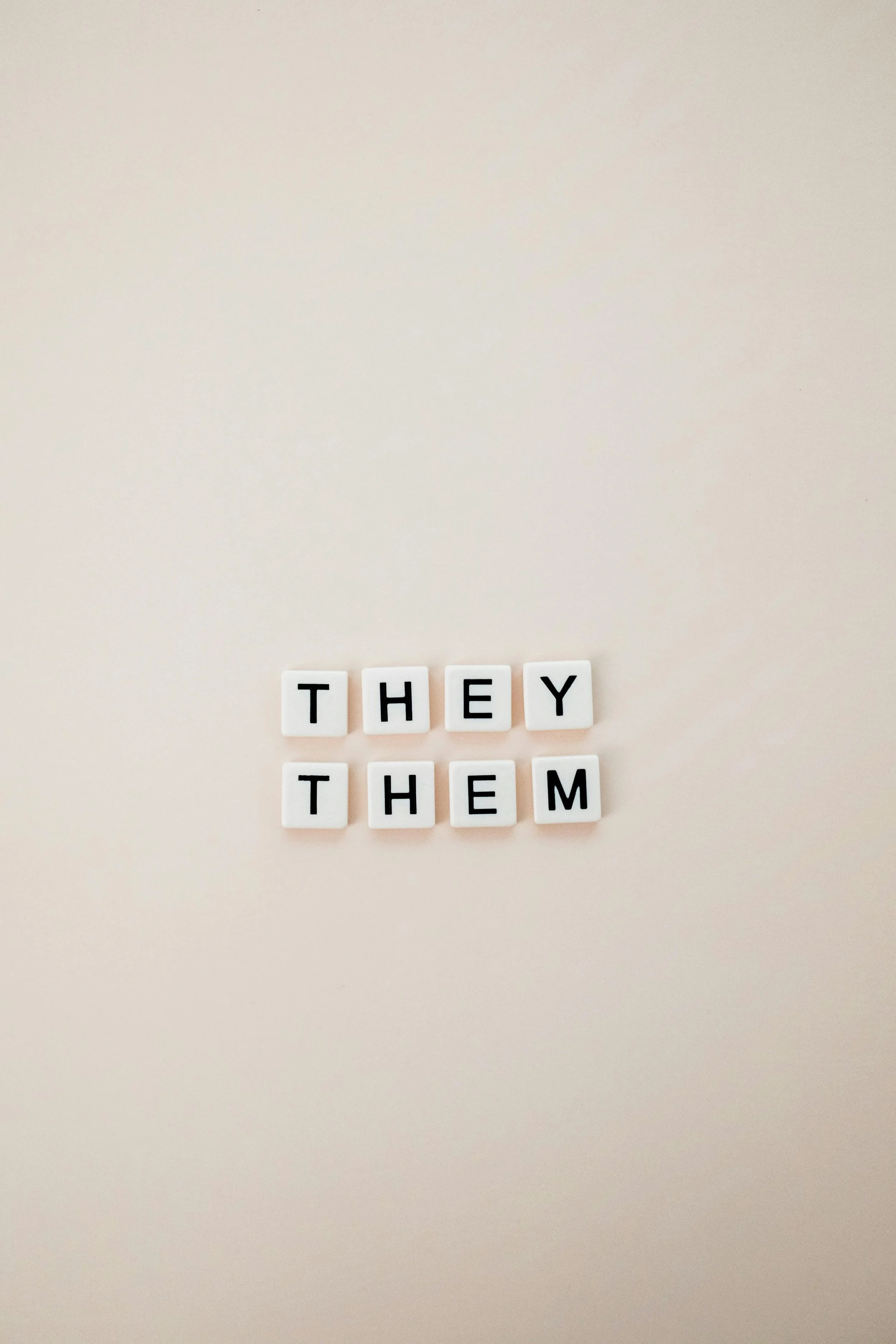
How to talk about them
Gender-diverse people* use different methods of expressing their gender in their own cultural and linguistic contexts. Some languages, such as English, have a ready-made alternative, e.g. ‘they’, while many other languages, such as French, have had to create new ‘non-standard’ forms, e.g. ‘iel’ (instead of ‘il’ or ‘elle’), while others still have repurposed existing forms in their language, e.g. ‘ono’ (a third-person singular pronoun used for objects and children) in Polish. Other languages have yet to figure out how best to talk to and about gender-diverse people.

Why you should be an Intersectional Feminist
What intersectional feminism asks us is to acknowledge that we are not the same. There is a whole range of different struggles people go through. But these struggles are all inextricably, inevitably, viscerally interconnected – as are we as humans.