

How to talk about them
Gender-diverse people* use different methods of expressing their gender in their own cultural and linguistic contexts. Some languages, such as English, have a ready-made alternative, e.g. ‘they’, while many other languages, such as French, have had to create new ‘non-standard’ forms, e.g. ‘iel’ (instead of ‘il’ or ‘elle’), while others still have repurposed existing forms in their language, e.g. ‘ono’ (a third-person singular pronoun used for objects and children) in Polish. Other languages have yet to figure out how best to talk to and about gender-diverse people.

Boycotting Eurovision is long overdue
Another year of Eurovision and another year of being complicit in the actions of a genocidal apartheid state. Yet Luxembourg, for the third year in a row, has decided that genocide and war crimes are not enough to justify a boycott. The country continues to remain complicit, lacking the courage to stand up for what is right and just.
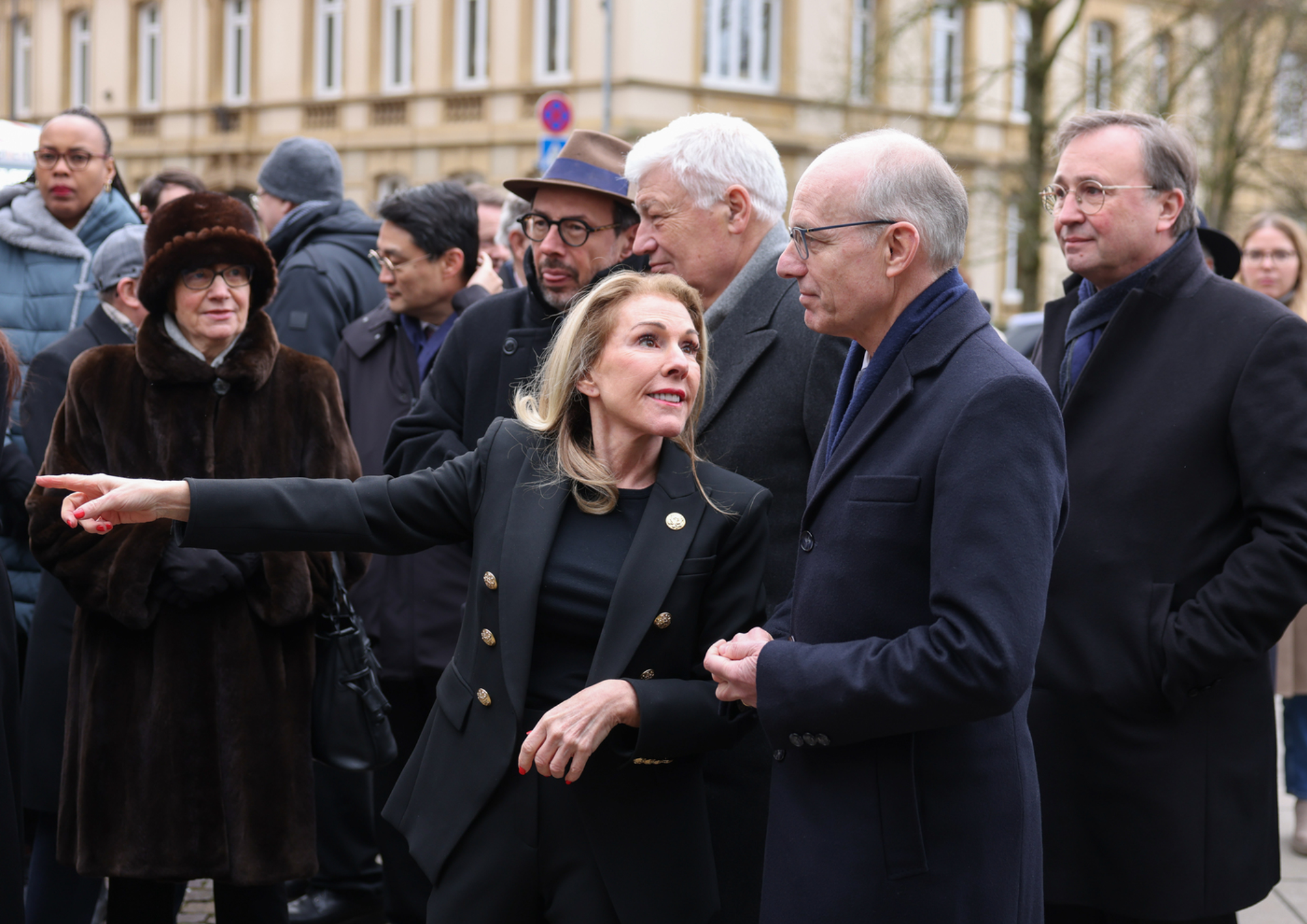
Trump-sympathiser and US Ambassador to Luxembourg welcomed at ISL
This article critiques the International School of Luxembourg (ISL) for inviting US Ambassador Stacey Feinberg to a Global Issues Network conference, arguing it exposes the school’s selective neutrality. While ISL condemned Russia’s Ukraine invasion, it stayed silent on Gaza and Iran. Students pushed back through poster campaigns and Amnesty International activism. This shows that it is a must to educate the youth to challenge injustice which is essential for building engaged future citizens.
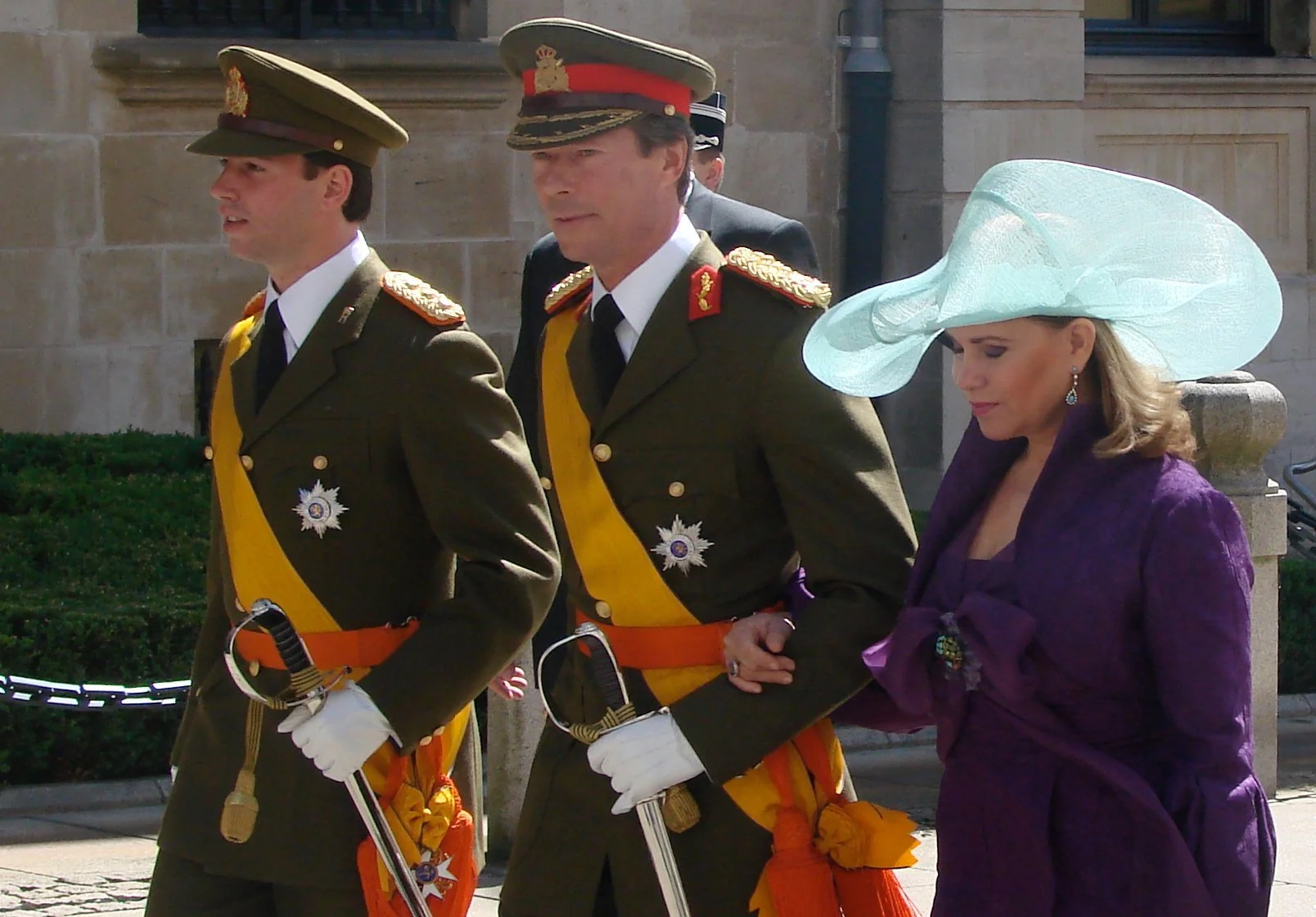
With an eye on Windsor: monarchy in modern Luxembourg
The scandals surrounding Prince Andrew have reignited scrutiny of royal privilege, transparency, and public funding in the UK, which raise broader questions about the monarchy’s relevance in modern society. Luxembourg’s Grand Ducal Court has avoided similar scandals, but it benefits from substantial public money amid a cost-of-living and housing crisis affecting nearly one in five residents.
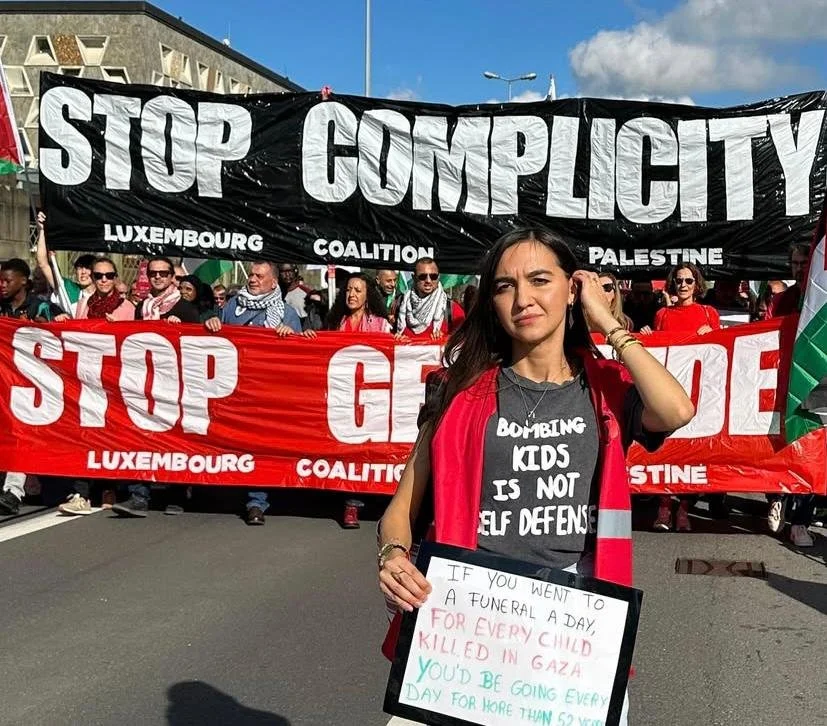
Survivor of Bosnian genocide dismissed from Luxembourg teaching post as repression of Palestine activists heightens
Fatima K., an elementary school teacher, Luxembourg resident, and survivor of the Bosnian genocide, has been dismissed by the Ministry of National Education over her online posts in support of Gaza and ending the genocide. The ministry allegedly argues that some of her Instagram content amounts to antisemitic expression.

The need for non-violent escalation: Globalize the Intifada!
This article is a call to push boundaries and a call for more non-violent direct action in Luxembourg. We have a strong culture of “inside game” in Luxembourg (petitions, lobbying) but, shamefully, a total lack of effective “outside game”. Acting in accordance with government-sanctioned avenues of protest gets us nowhere – get off your asses and do something that makes you and the ruling classes uncomfortable!!!add your excerpt
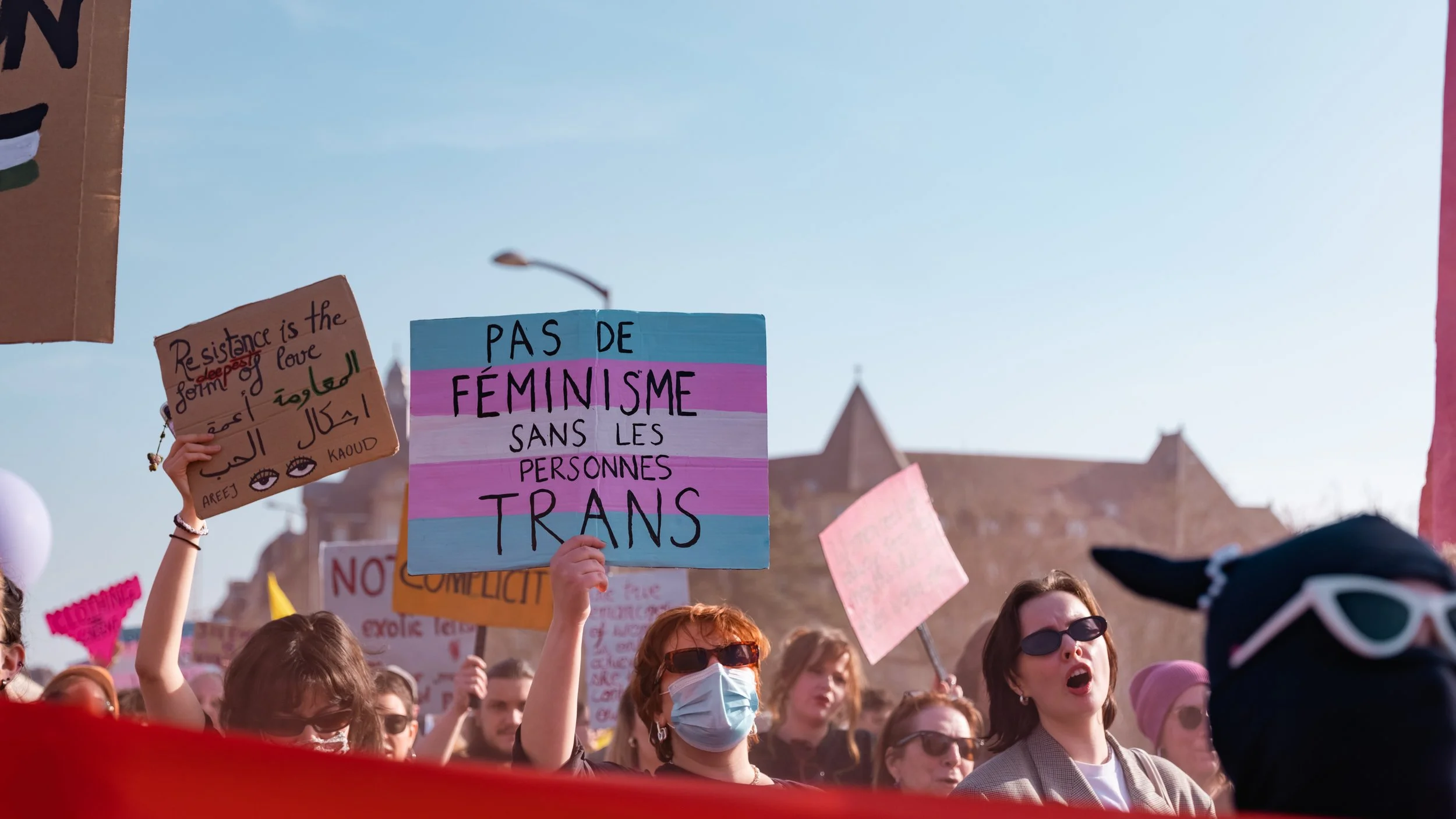
Calling all cis white gay men! Embrace change and get queer!
Privileged white cisgender gay men in Luxembourg do not do enough to fight for the rights of other marginalised groups in Luxembourg, instead being satisfied with their own victories. This article is a call to those men to do more for their wider communities, to educate themselves about the struggles of other minorities here and to fight for the rights of all, not just themselves.
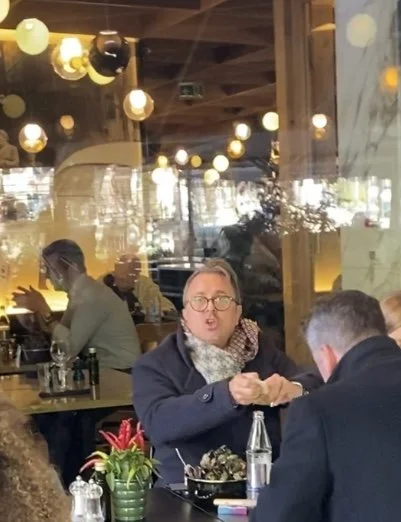
Why No One Should Apologize for Confronting Bettel
There is a perspective circulating that it was inappropriate for activists to confront Bettel while he was having lunch. This critique reflects a position of privilege. It comes from people who do not understand what activism is, nor what it means to speak up for what is right. Most importantly, it comes from those who fail to grasp how far Bettel has gone in ignoring the Luxembourgish people’s demands and his responsibility under international law.add your excerpt
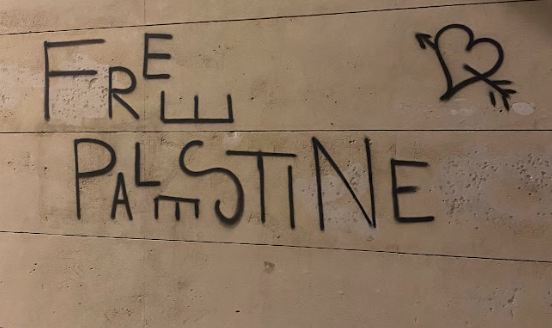
Silence is complicity, and close to everyone in Luxembourg is complicit
This article denounces Luxembourg’s widespread silence on the current genocide in Gaza, framing inaction as complicity in genocide. It criticizes institutions, people, and spaces for failing to take a clear anti-Zionist stance, highlighting hypocrisy in progressive and inclusive circles. Calling Palestine a symbol of resistance, we urge individuals and organizations to speak out, mobilize, and assume responsibility.add your excerpt
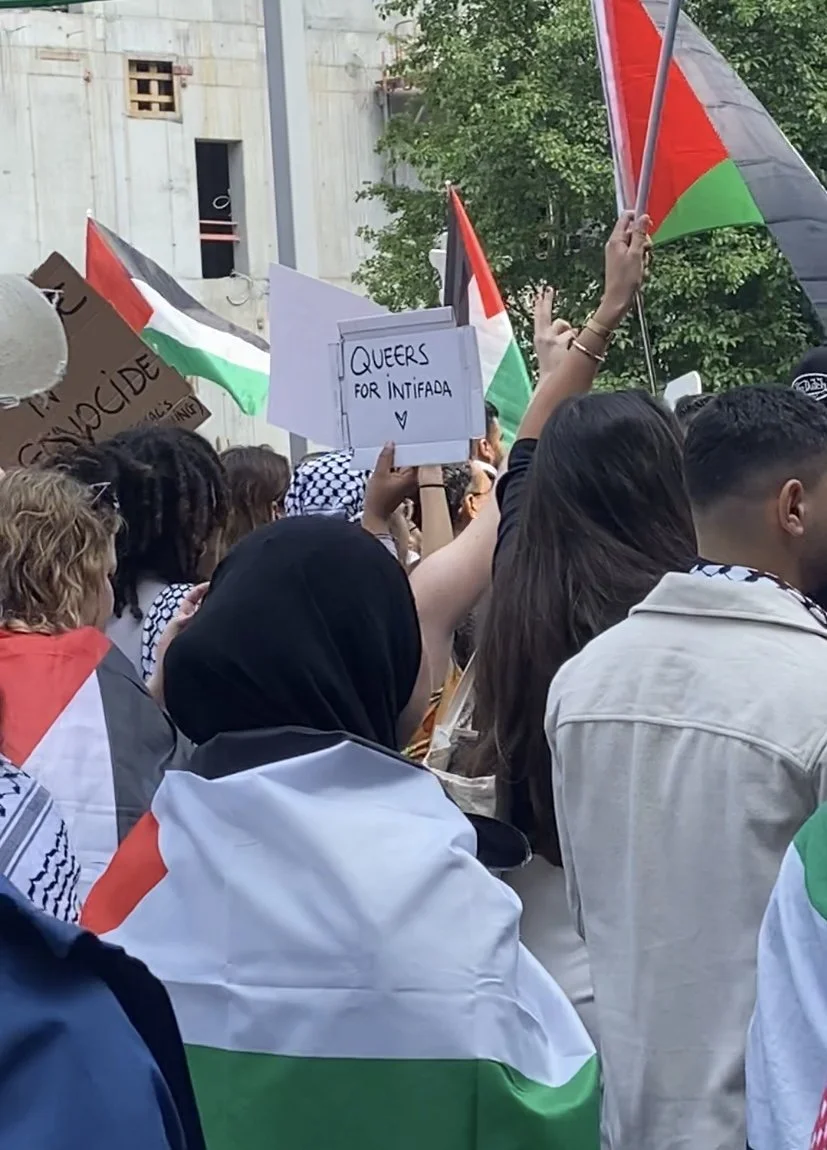
Decolonial resources
In these times of genocide, imperialism, and exploitation, it is our responsibility to recognize this manipulation and disengage from Western media accordingly. We must filter the narratives we are fed through a decolonial lens in order to separate fact from propaganda. Most importantly, we need to listen to and read the voices of those directly affected. Indigenous voices must come first, and we must create space for them to be heard.
To support this, we have compiled a short list of resources that can help challenge the biases of Western media.
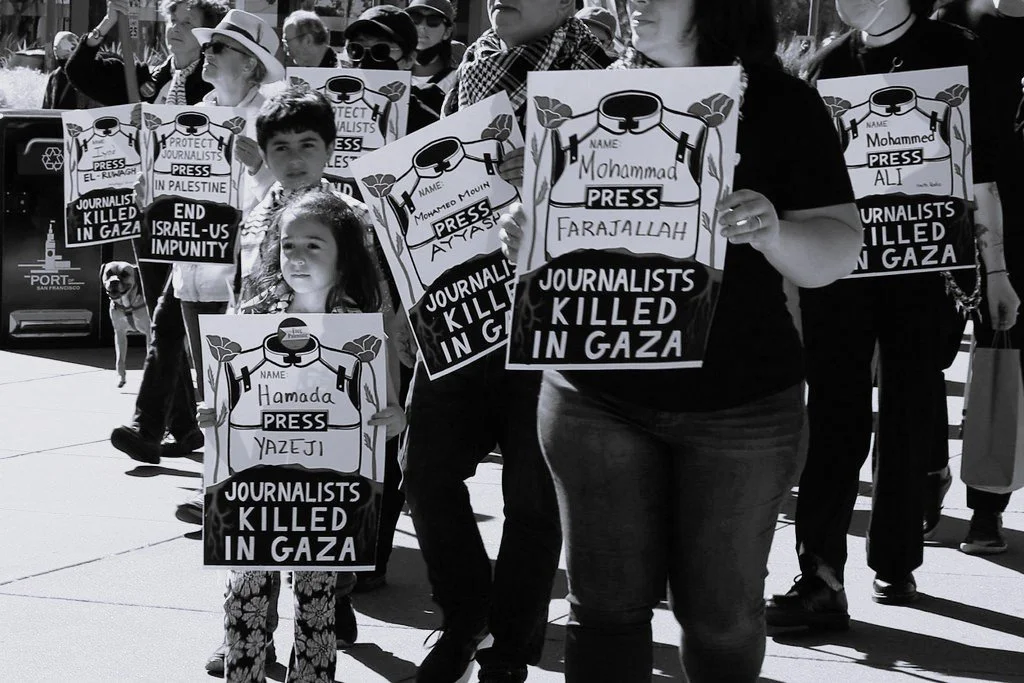
The Luxembourgish Media Has Blood on Its Hands
Since October 7, 2023, Israel has barred foreign journalists from entering Gaza and has targeted local reporters, according to the Gaza government’s media office, which reports that 237 journalists have been killed during the genocide. The Committee to Protect Journalists (CPJ) has documented at least 186 journalist deaths in Gaza. Israel denies intentionally targeting journalists. The number of journalists killed in Gaza now exceeds the combined toll of journalist deaths in the U.S. Civil War, both World Wars, and the wars in Yugoslavia, Afghanistan, Korea, Vietnam, Laos and Ukraine.
Artist Interview with Zohra Mrad
Multidisciplinary artist Zohra Mrad creates immersive experiences through interactive and generative visual art, installations and performances. Having worked with institutions such as Rotondes and Casino Luxembourg, Zohra’s DIY, experimental and collaborative approach to creativity brings a fresh wind into the Luxembourgish art scene, which is still oftentimes dominated by individualism and marketability. Zohra highlights the need for artistic solidarity over competition; space for experimentation over ready-to-sell ‘finished’ art; and free access to culture over financial exclusion.

Discover our new website and say bye to Wix!
We were engaged in apartheid by hosting our website on Wix– time for a reckoning! We made a swift switch to Squarespace as soon as we noticed to re-align ourselves with BDS principles. Wix, like Google, McDonald’s, and AXA, is complicit in genocide by providing Israel with services, technology and/or funding. Join us in making the switch away from the neoliberal economy and reinvest in your principles! Find ways to make everyday consumer behavior less harmful with some easy tools.
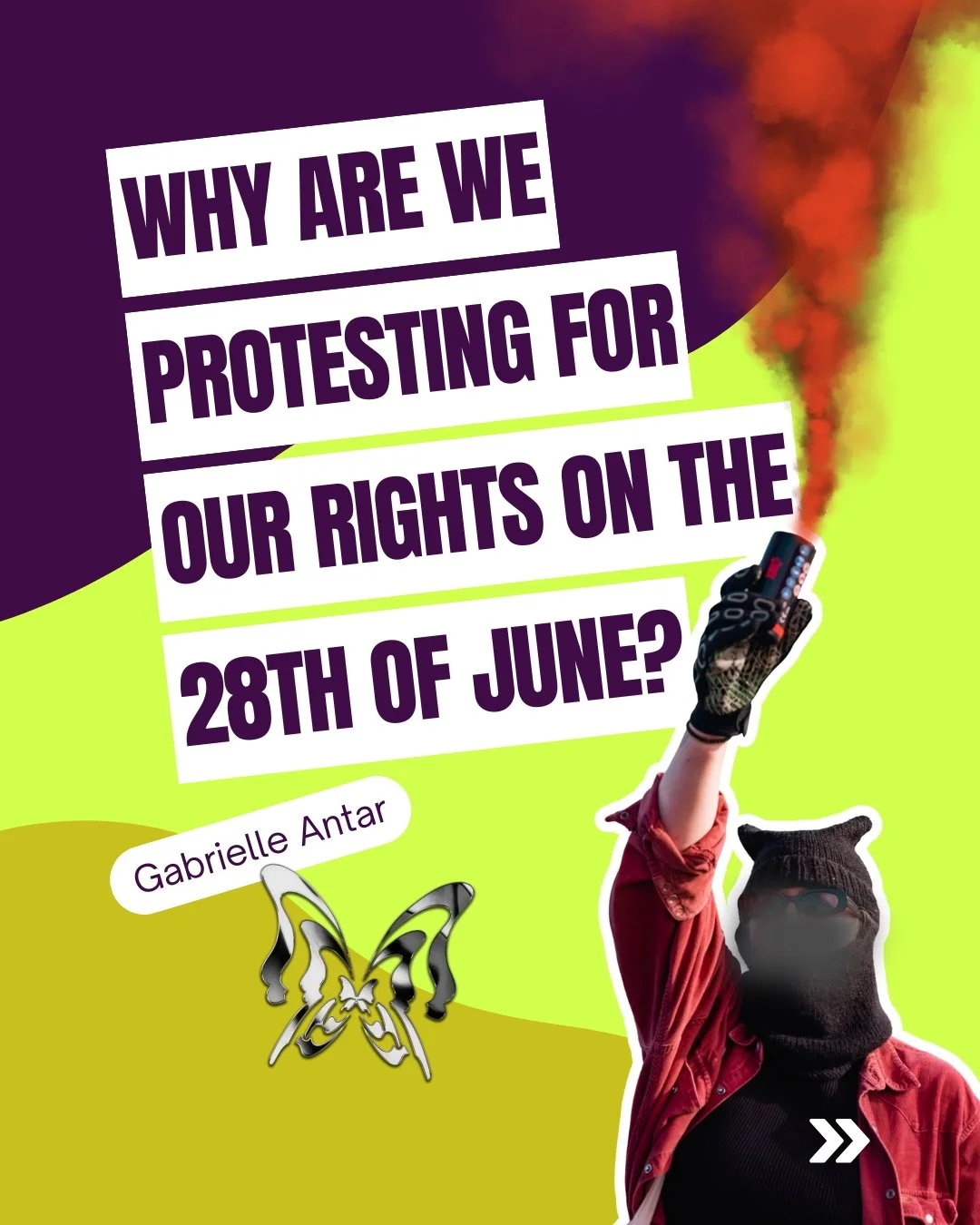
Why are we protesting for our rights on the 28th of June?
Trade unions have achieved significant advancements for workers, including the establishment of the eight-hour workday, minimum wage laws, and improved workplace safety regulations. They have also played a crucial role in securing paid time off, anti-discrimination laws, and protections against unfair dismissal. Furthermore, unions have been instrumental in advocating for social security, unemployment insurance, and the recognition of Labor Day.

The failings of Luxembourgish sex education and why we need to fix them
If, like me, you got the traditional Luxembourgish sex ed treatment, you learned a whole lot about the way sperm cells are produced but not so much about consent and pleasure. You also learned nothing about the social and political context which we live in, and how it impacts our sexuality and relationships.

Artist Interview with Alok
A few days before their comedy show at Den Atelier on 11th May, déi aner had the honour of interviewing the internationally acclaimed poet, comedian and actor Alok, who is currently on their Europe tour. Like many people before – and undoubtedly, after – us, we felt touched and inspired by Alok’s wisdom and humour, but above all by their profound humanity. What they shared with us were thoughts that were filled with political urgency as much as they were filled with poetry.

Activist Burnout: A Rare Sighting in Luxembourg
Luxembourg’s wealth and privileged position in Europe have allowed many, if not all, to secure well-paid positions in "community" or "political" work. The quotation marks are intentional—real community and political engagement can never be confined to a 9-to-5 job, as Arundhati Roy eloquently explains in her critique of the NGO-ization of resistance.

SCENE XXI – Walpurgisnacht
Learn about the history of witch hunts in Luxembourg and beyond, and join our FLINTA*-only march to Take Back the Night!

Reflections for the 8th of March
déi aner members reflect on the shortcomings of IWD in Luxembourg.