
Trump-sympathiser and US Ambassador to Luxembourg welcomed at ISL
A dangerous Precedent to set
The article critiques the International School of Luxembourg (ISL) for inviting US Ambassador Stacey Feinberg to a Global Issues Network conference, arguing it exposes the school’s selective neutrality. While ISL condemned Russia’s Ukraine invasion, it stayed silent on Gaza and Iran. Students pushed back through poster campaigns and Amnesty International activism. This shows that it is a must to educate the youth to challenge injustice which is essential for building engaged future citizens.
From education to culture, these past few years have seen a great rise in appeals to neutrality when institutions are asked to take a stance against genocide and breaches of international law. It seems easy to call for a move away from blame-shifting politics, to declare it is too difficult to talk about an ongoing conflict, to opt to ‘stay out of it’, when those affected and dying as a result of politics are gathered neatly outside of one’s immediate bubble.
Yet for institutions like the International School of Luxembourg (ISL), declared neutrality has become a moot cause. In 2022, at the start of Russia’s invasion of Ukraine, the condemnation of the illegal nature of the conflict was almost natural. It mattered little that a large percentage of the student body was Russian. The rest of the international community had condemned Russia, hence it was not only acceptable, but the correct action to take. This condemnation did not extend to the illegal apartheid of Palestinian land, to the ongoing two-and-a-half year genocide of the Palestinian people, or the flattening of the Gaza strip. No real statements were made to the student body, nothing beyond ‘be kind’, ‘uphold decency’. The same applies to the illegal assault on Iran.
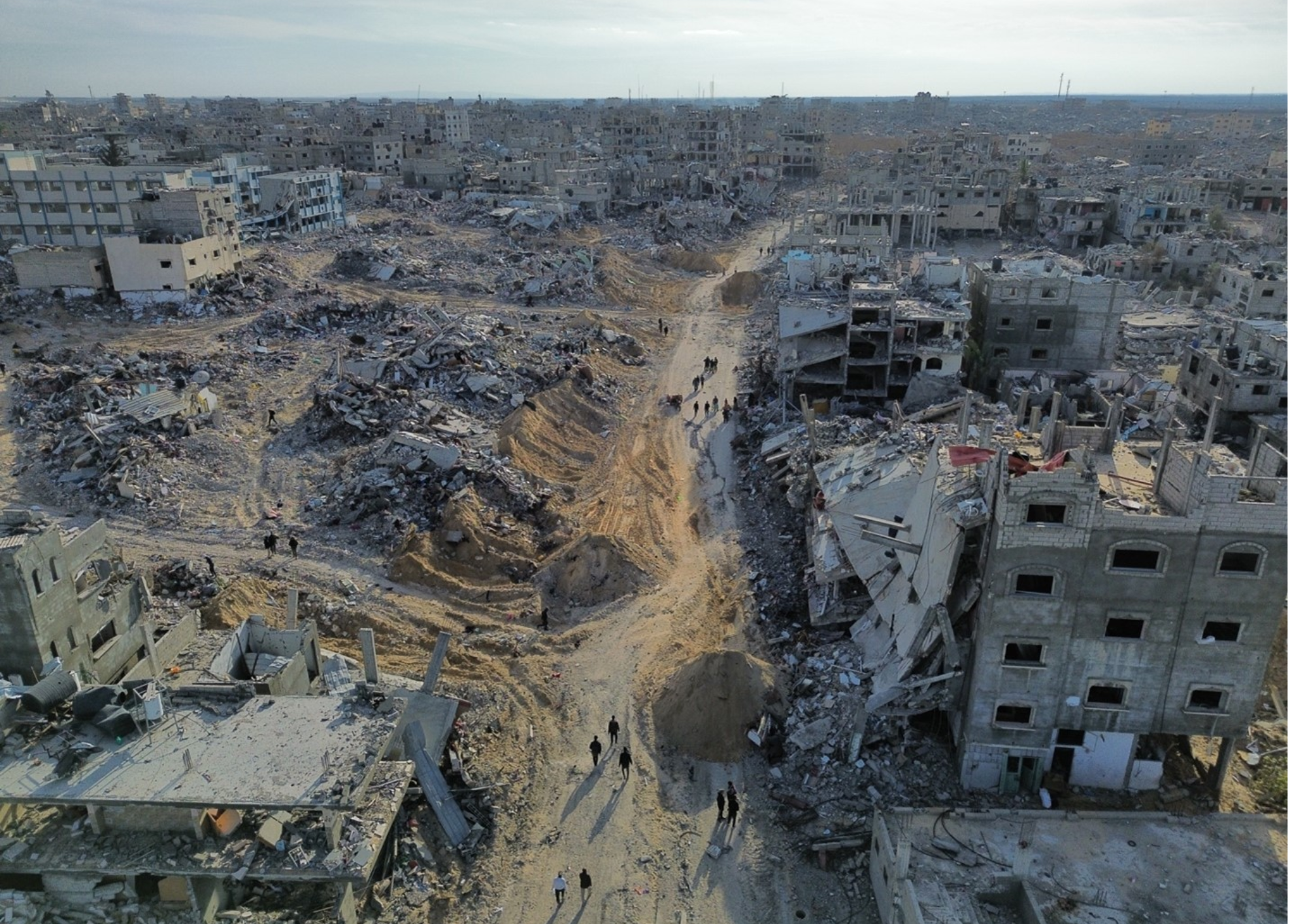
Destruction of Rafah in southern Gaza Strip, January 2025. © 2025 UNRWA Photo
As of April 4th, there have been just under 2000 deaths in Iran as a direct result of US-Israeli strikes, as well as more than 800 in Lebanon, of which more than 100 were children. The Lebanese health ministry has confirmed Israel’s targeting of sensitive areas such as hospitals and schools, with the stated goal of eliminating the Hamas-allied Hezbollah group. The US itself has also targeted schools such as the notorious bombing of a school in Minab, Hormozgan province in Iran, resulting in the death of 168 people, of which over 100 were, once again, children. With President Donald Trump now admitting he wants to seize Iranian oil, how can a war rooted in imperialism, personal gain, and unproven threats to national security be legitimate? How can the governments of these nations be exempt from accountability?

Graved dug for victims of Minab school strike © AFP PHOTO / IRANIAN PRESS CENTER
Onto the scene comes Stacey Feinberg. Ambassador Feinberg, who received her diplomatic credentials in November 2025, made her goals as US ambassador and close relationship to President Trump clear. In an interview with RTL, she referred to President Trump as the “peace president”. “He wants to end all wars, particularly Ukraine and Russia,” she stated. Though Ambassador Feinberg has not openly challenged her prior statement, President Trump’s illegal intervention in Venezuela and joint war with Israel against Iran illustrate contradictions between policy and reality.
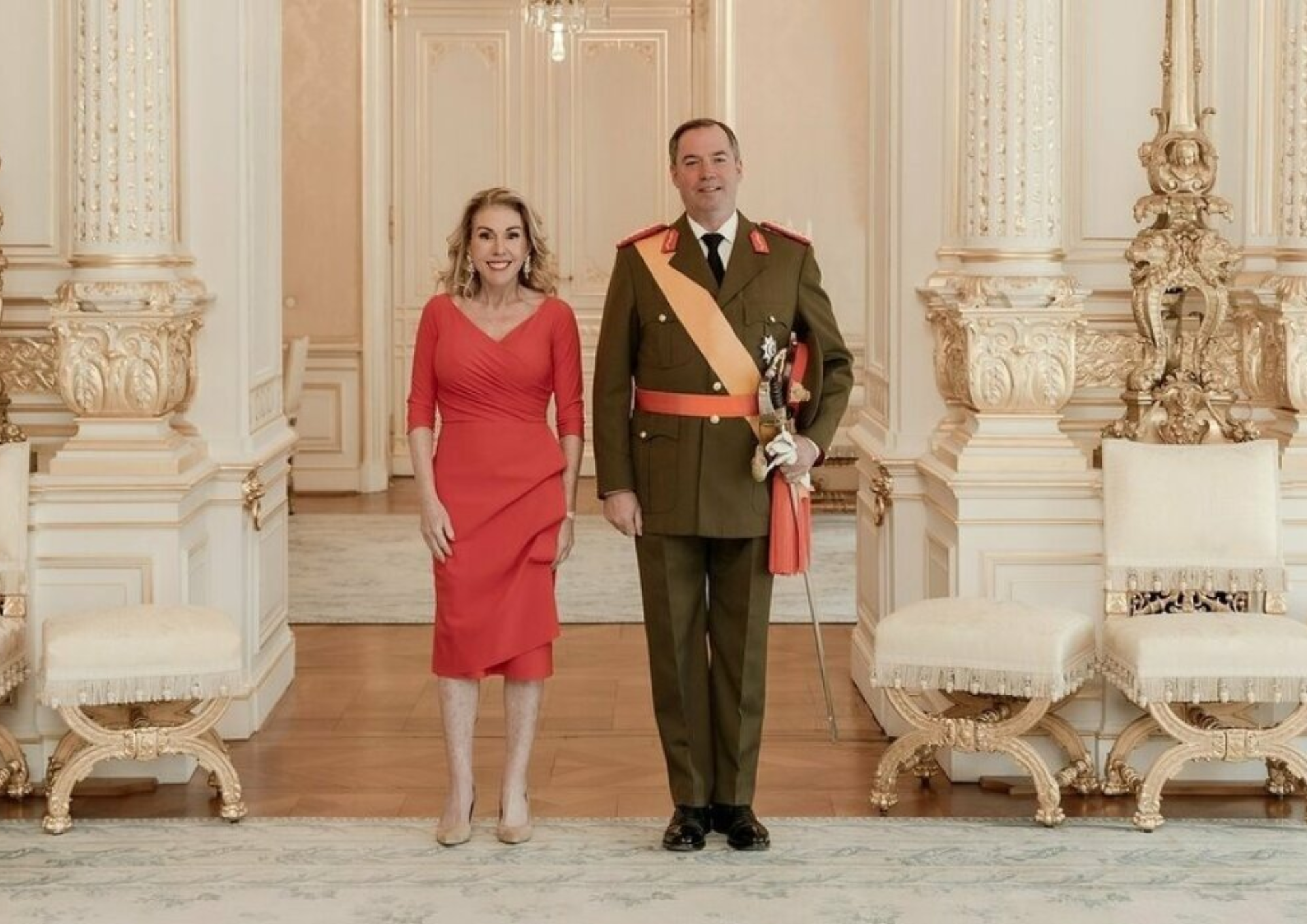
Ambassador Feinberg with the Grand Duke © Maison du Grand-Duc
But where exactly do schools come back into the picture? On the 19th and 20th of March, the International School of Luxembourg hosted a Global Issues Network (GIN) conference, with students from around Luxembourg and international visitors.

GIN Conference logo © GIN
GIN’s ethos stems from empowering young people to be ‘changemakers’: “Engage empathy as Global Citizens, transgenerational community empowerment, answer our call to action as resilient leaders of today”. With their goals of motivating students towards internationalism and political awareness, it would seem counterproductive to invite speakers who, beyond the superficial level, hold few of those values. And yet, Ambassador Feinberg made the cut.
Ambassador Feinberg toured the school with a member of the board and spoke at the conference. She conveniently avoided the student and teacher body. When word of the visit leaked, general hostility ensued. For a school which attempts to focus on critical thinking and educating global citizens, this visit and the conduct during it was hypocritical at best. Since the Luxembourgish government remains complicit as it tacitly supports the United States with money and diplomatic support, the educational institutions do the same.
The school’s close ties with the embassy become apparent, and political neutrality ceases to take precedence over the maintenance of ‘diplomacy’. What happens on a national, inter-governmental level translates perfectly to the local level, making it a microcosm of international relations.
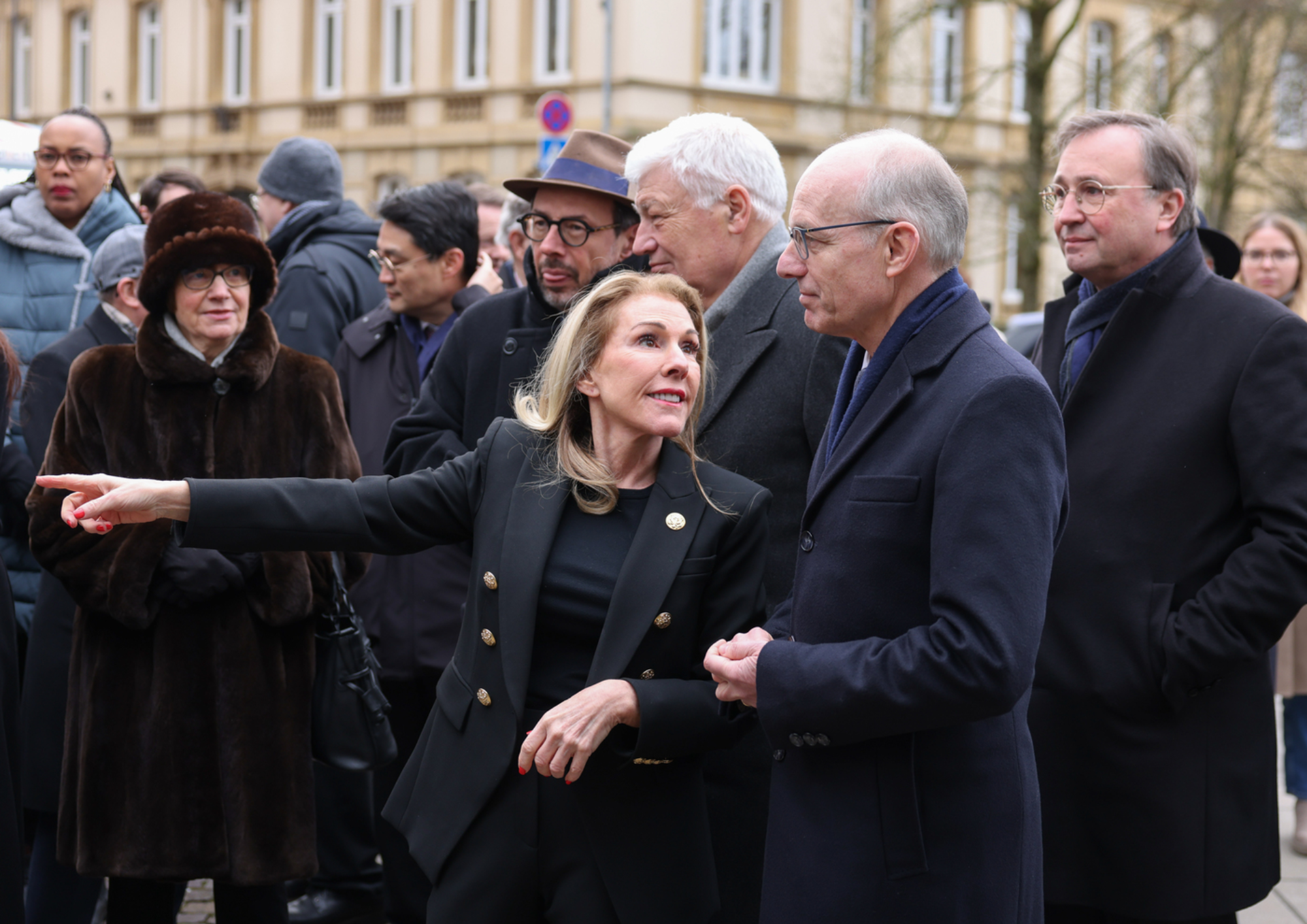
Ambassador Feinberg with Prime Minister Luc Frieden © Marc Wilwert
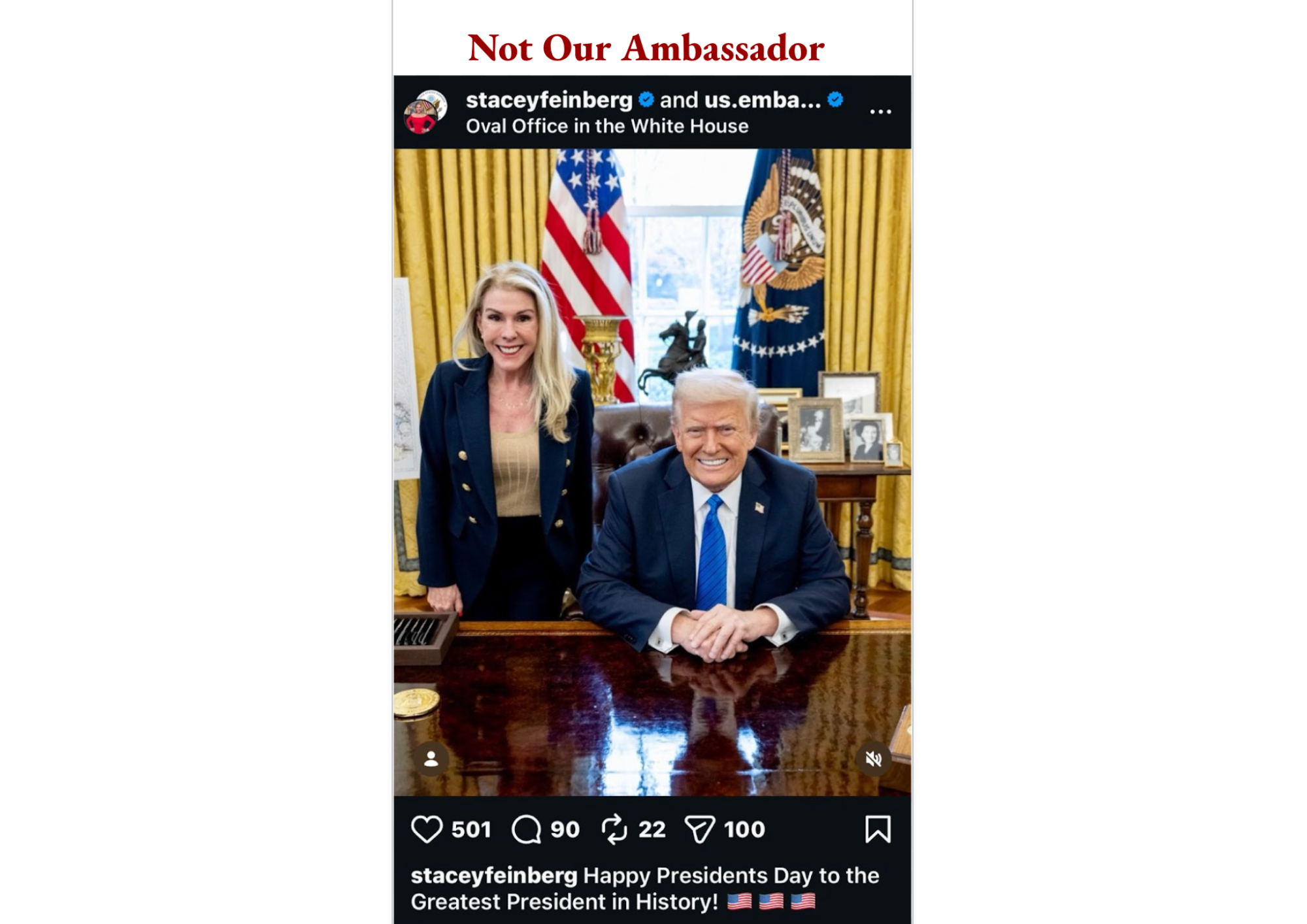
Poster from student campaign
On a positive note, not all of the dissent was hushed. Members of the school's Amnesty International group brought Keffiyehs, pins with the Palestinian flag, and other symbols of opposition. Moreover, a fast-spreading poster campaign was started, with posters being put up near the wing where the GIN conference was held, and all around the school. These depicted Feinberg with Trump, who she referred to as “The Greatest President in History”, and general support for a free Palestine. According to witnesses, some were taken down by members of the administration, while a number stayed up. Students made their opposition heard.
It appears that the school chooses to uphold neutrality when it is convenient, when there are no alliances, no strings attached. Students who have made attempts to run events related to current politics were told to do so under restrictions: avoiding the use of certain terms, such as the Palestinian genocide (despite this being the OHCHR's wording), being told that speeches must be read and authorised in advance, etc. While the school’s caution around sensitive political events can be understood, given its nature and foundations, could these ‘precautions’ illustrate a move towards censorship of the student body?
At a time where the far-right is on the rise, where young people are being drawn further towards conservatism and bigotry than ever before, it is incorrect for an educational institution to become apolitical, or worse, apolitical at its convenience. To attempt to harbour information from the general student body, to ally with one cause and not another is dangerous. Complicity exists on all levels of our society, but complicity matters the most with the youth.
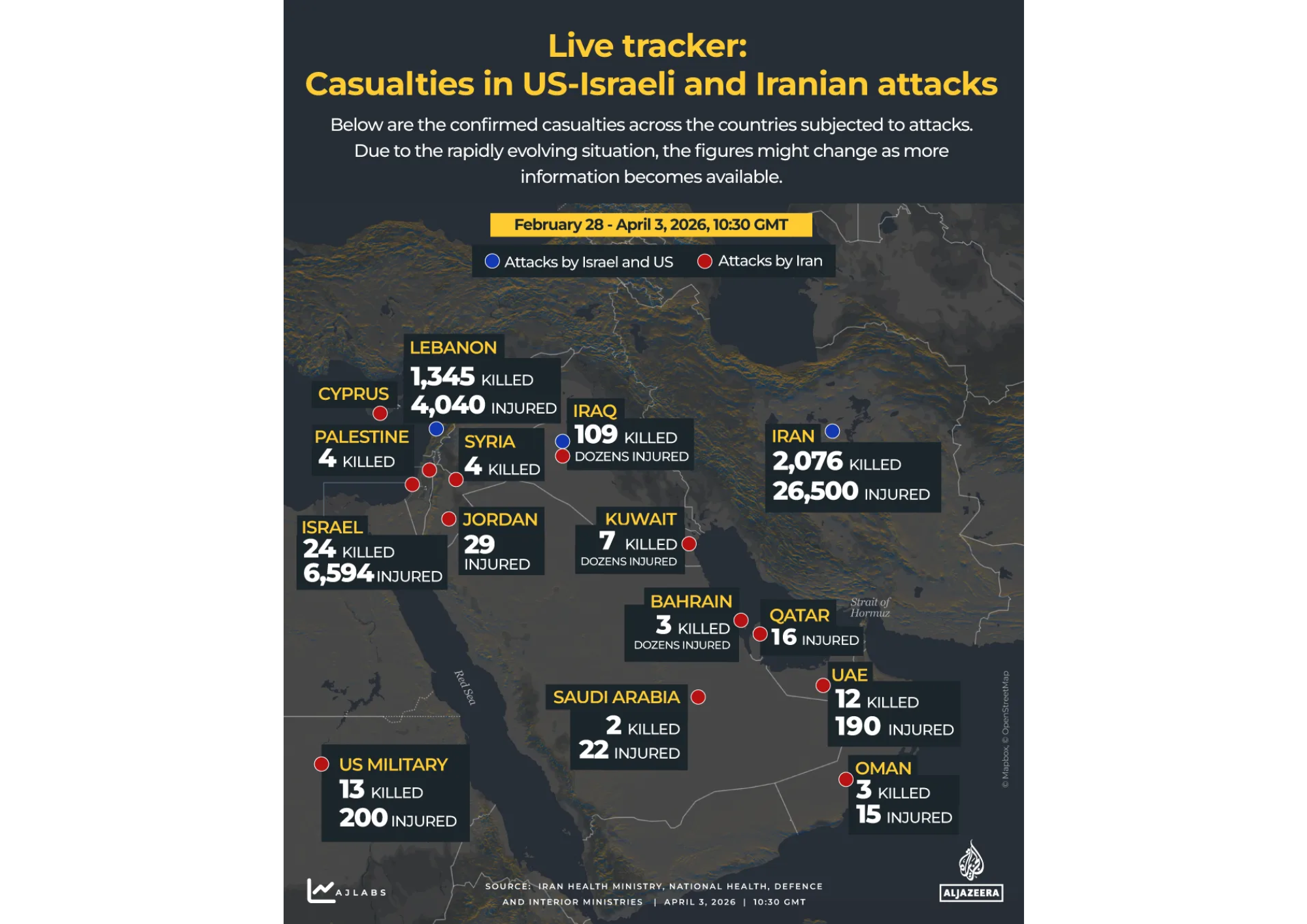
Development of the war in West Asia © Al Jazeera
If young people are not educated and encouraged to uphold international conventions of legality, to dissent when their government is wrong, then the citizens that they become will never fight a system that does not care about them, and that prefers to see them placated and bound by traditions and conventions that simply no longer apply.
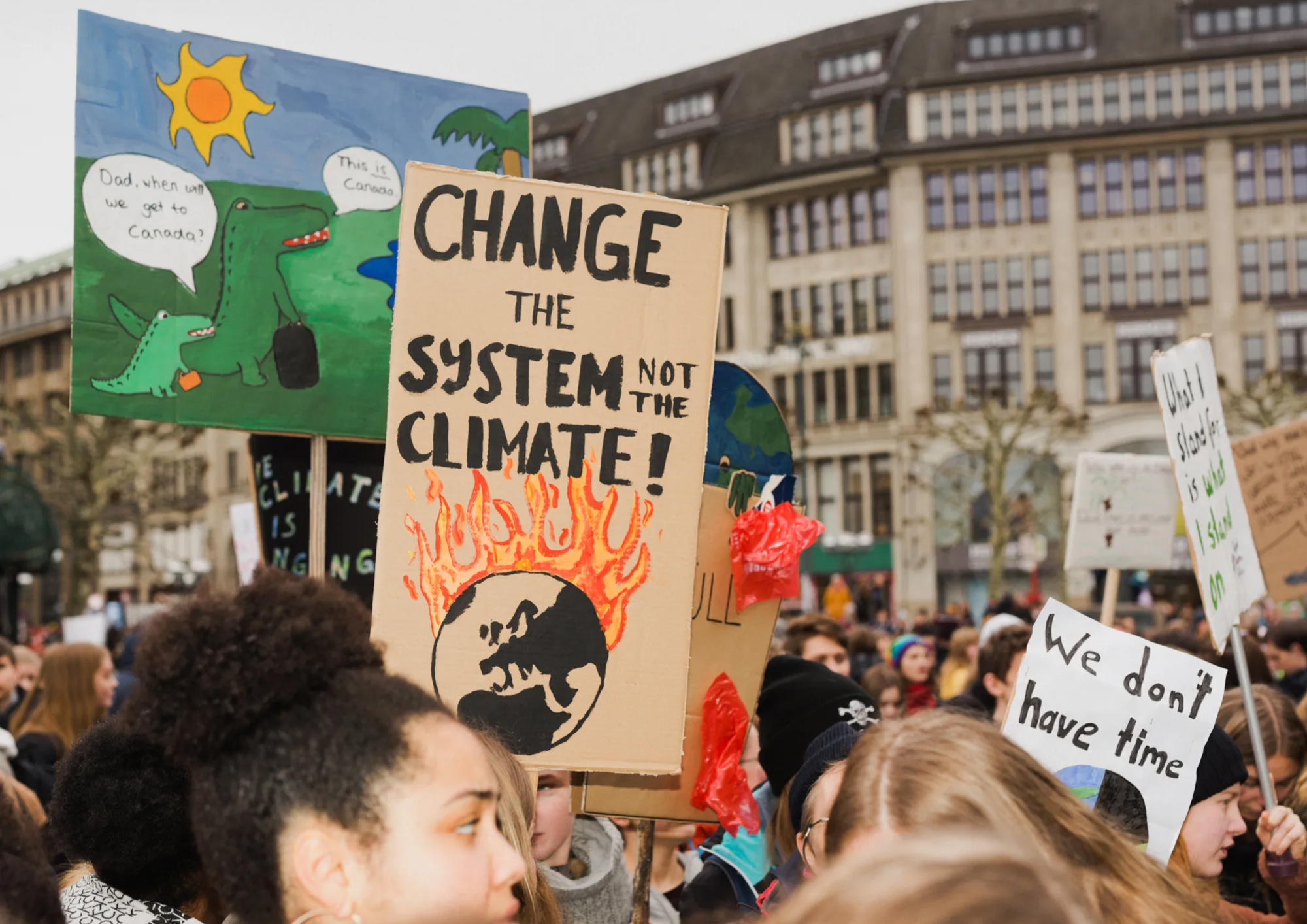
Fridays for Future, student strikes for climate action © Michael Kohls