
Artist Interview with Lusterclub: Going back to the root of urban music culture and ‘giving people the opportunity to understand what they love’
The Luxembourg-based collective Lusterclub was founded about a year ago by four friends who felt the need to create a project where urban music culture - a culture which is oftentimes misunderstood, or not understood at all - is approached not only in an accessible way, but also in an educational one. Based on the principles of inclusivity, solidarity and mutual respect, the collective aims to bring something new to Luxembourg - a community that most DJs or music enthusiasts have (as of yet) had to leave Luxembourg for in order to find in major metropolises like Berlin.

Although Lusterclub was officially founded about a year ago, the project has been in the making for years. The four founding members - all coming from different diasporic backgrounds - each came to Luxembourg at some point during their teens. They all share their love for music as well as their struggle to merge their rich cultural heritage with that of Luxembourg when they first moved here. Their ongoing friendship and shared love for music ultimately led to the natural manifestation of Lusterclub. With DJs Aamar and JeffSeven as well as organisers Edi and Luciano, they have embarked on this journey fully aware that they’ll inevitably have to face hurdles together. However, they state that this trial-and-error as well as their reliance on each other as a team is vital for their project: ‘We will fail and we will try to show up in a better way. Nowadays, everybody is trying to do something on their own, but you cannot do something social on your own. You will always have to depend on people.’

At the core of Lusterclub is the intention of creating an inclusive space where people can ‘come as they are’ and learn about underground club culture. Everyone - no matter the demographic - is welcome to attend Lusterclub events, as long as they come from a place of open-mindedness and respect. ‘There are too many people who don’t go out because they don’t fit in anywhere’, Lusterclub says, ‘and this is something we want to change.’ In this way, the four friends - who themselves never really fit into Luxembourg’s pricey and at times exclusive nightlife - want to give people the opportunity to connect and form bonds through music and community, such as the bond that they themselves have with each other. Unlike a lot of other alternative collectives or clubs abroad, Lusterclub has no strict door policies in order to regulate who gets to attend their events and who doesn’t. ‘The vibe is not at the door, the vibe is inside. For us to limit people coming in would also mean that we’d limit our possibility to create a community and to educate people.’
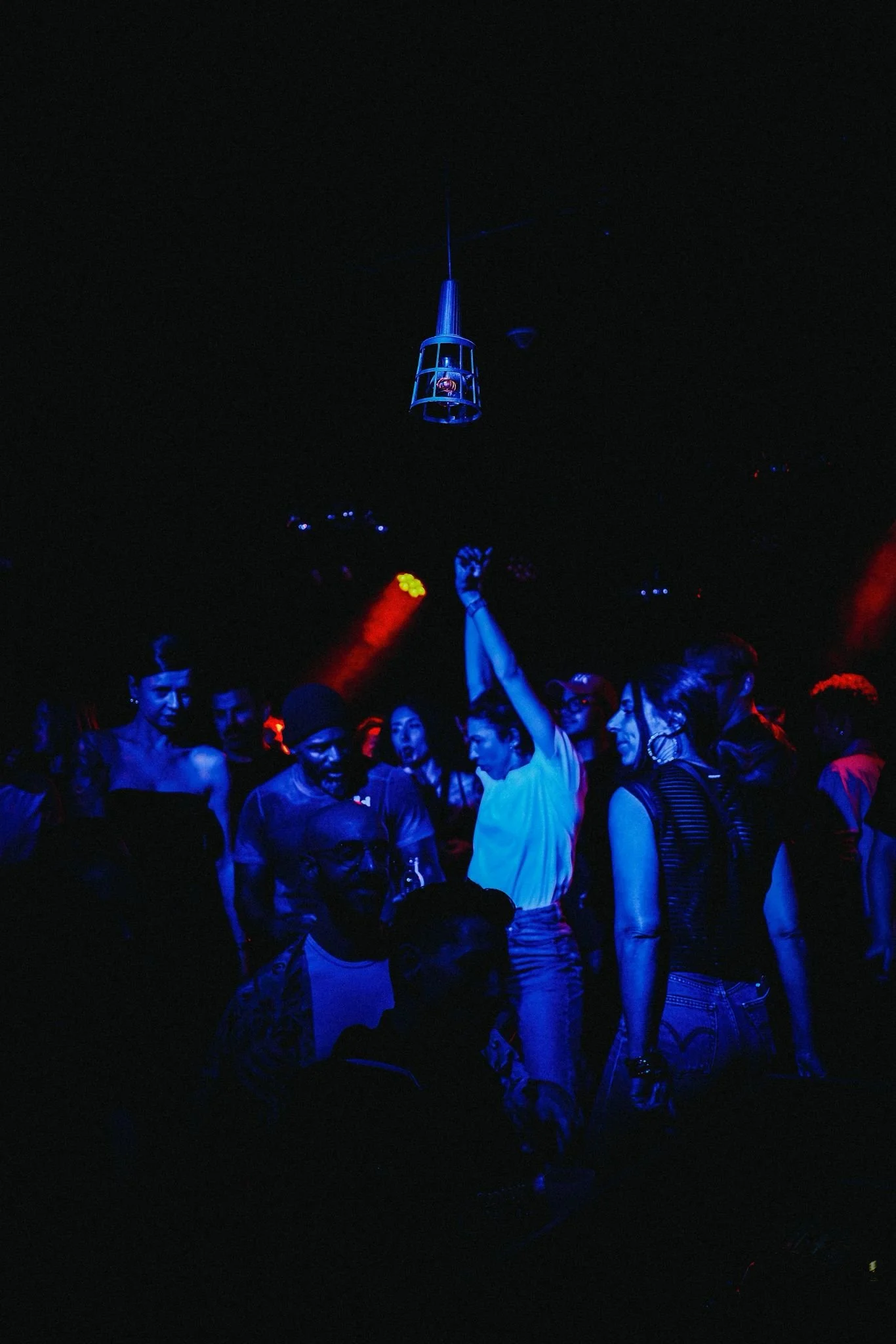
This focus on educating their community is what differentiates Lusterclub from most other music collectives in Luxembourg. Specifically, the collective aims to educate its community on the history of music. ‘Club culture cannot exist without its history’, DJ Aamar says, ‘and to not acknowledge its history is like swimming in an open ocean and saying I know everything when we don’t.’ He goes on to say that ‘culture is about knowledge. To understand where we’re going, we have to understand the history of the past. And there can never be a true culture or honest work without the origin of culture.’ More often than not, clubbing is not seen within the frame of culture, but within that of drinking and having fun only. But when we trace back to the root of different urban musical cultures, we can see how certain historical circumstances or values have shaped those cultures in a fundamental way that has been forgotten in more modern, commodified versions of that culture. In this vein, a historical perspective shows that it doesn’t make sense for people to listen to rap and be misogynistic, or to like house music and then be homophobic; those attitudes are in fact antithetical to what those genres originally stood for. Building on the example of house music, the collective explains: ‘House music is about queer community, it’s always been about queer community. It’s just that it’s not perceived like that now because it’s been commercialised, but the history behind it is important to know. House originated because there was a group of people and they didn’t fit in. It’s the same with us.’

Different musical cultures or genres arise within a very specific historical context; and it is this context that Lusterclub thinks is so important to understand in order to understand a genre as a whole. For this reason, Lusterclub plans to offer resources on music history in the future: when organising an event centering a certain genre, they’ll also provide workshops or podcasts where people can learn about the history of that genre. Crucially, this also means giving the spotlight to people who know more about those genres than the members of Lusterclub themselves. In this way, the collective hopes to ‘give people the opportunity to actually understand what they love’. This emphasis on history is also reflected in the name of the collective, ‘Lusterclub’, with ‘luster’ meaning a dim light. The idea behind the name is that it’s not the brightest stars that fill the sky, but the dimmest ones. Similarly, Lusterclub values the background - the history - of music, because it is that background which gives depth, intensity and meaning to music in the first place. ‘The most misunderstood culture is underground culture. But this is where culture actually is - the knowledge and history of culture. It’s time to create something’ that also values this culture here.’
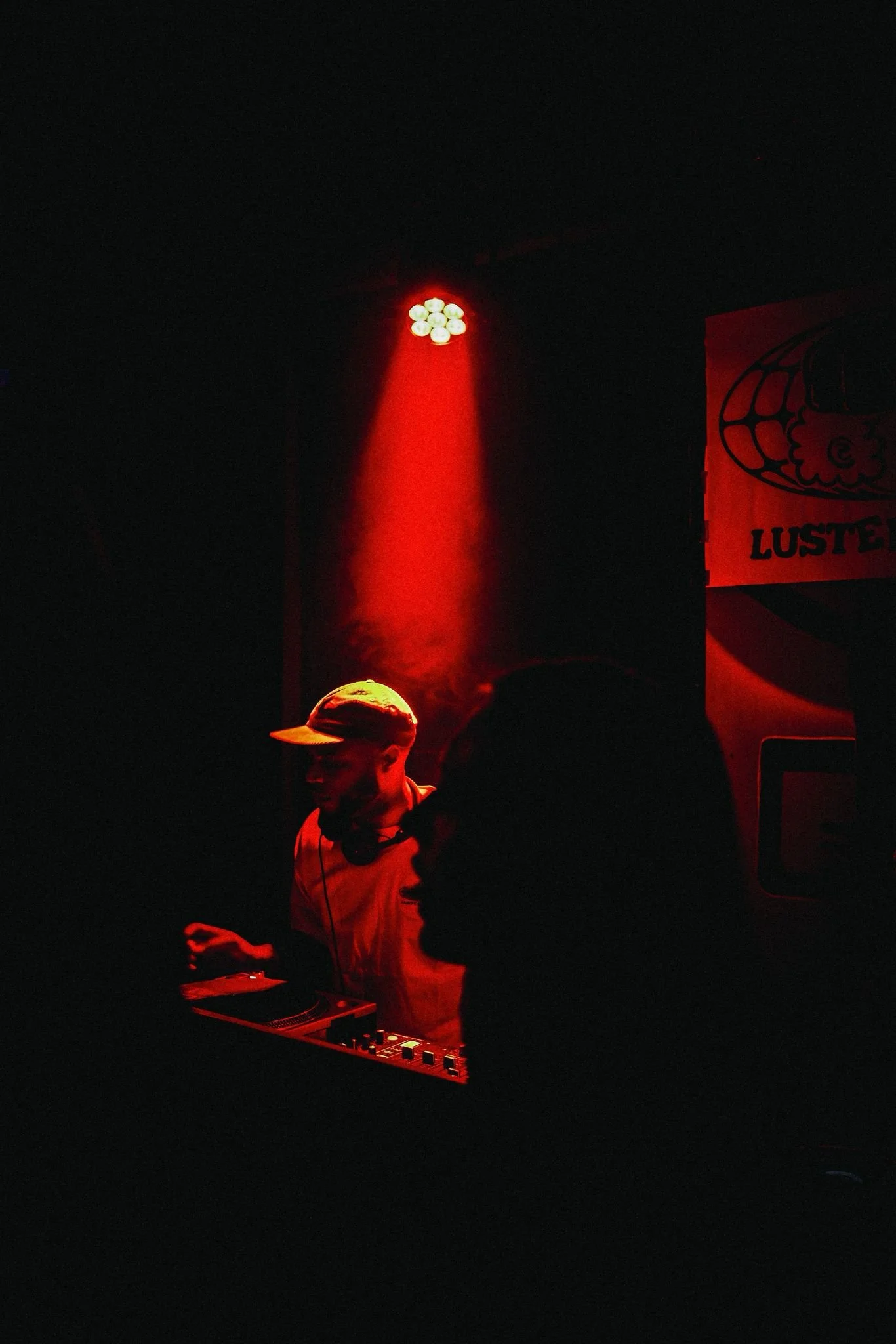
When reflecting on what their project means in Luxembourg, Lusterclub says that they aim to foster social togetherness in a country where community spaces and spontaneity are barely existent. But they also emphasize that while Luxembourg is a productivity-oriented society where work is people’s number 1 priority, the country has so much to potentially offer. With over 135 different nationalities, Luxembourg is a multi-cultural pool bringing together many different people with many different stories to tell. There are even people here that have first brought certain musical genres to the country, with nobody knowing about their journey or impact on the musical landscape in Luxembourg. Those people need to be spotlighted for their unique cultural knowledge and perspective. According to Lusterclub, despite our cultural diversity, ‘we haven’t yet figured out how to talk to each other.’ And it is precisely this space of cross-cultural communication that Lusterclub wants to create; a place where urban musical culture can truly thrive in Luxembourg. ‘Ultimately, we want to change the idea that if you want to break through, you have to move away from Luxembourg to a major city.’

Lastly, the collective acknowledges that their project is nothing new. In fact, collectives or clubs that follow a similar philosophy exist in many different countries. ‘What we do is nothing new, we saw it in so many places - which is why we think it is impossible that it wouldn’t work here’, they state. When talking about the iconic clubs they look up to - such as Tresor in Berlin or fabric in London - Lusterclub says that similar to these clubs, they want to create life-long memories that matter to people. These clubs have become cultural powerhouses where nights-out are characterized by a variety of music, community, presence and intensity. Ultimately, the question that guides Lusterclub in their project is: ‘how do we create those memories here, too?’
